People's Hidden Context

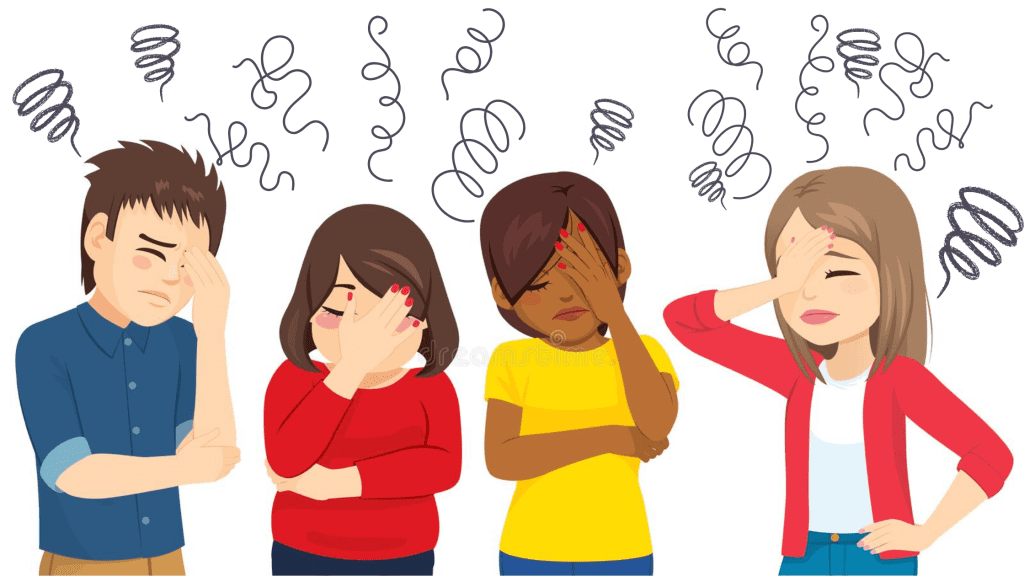
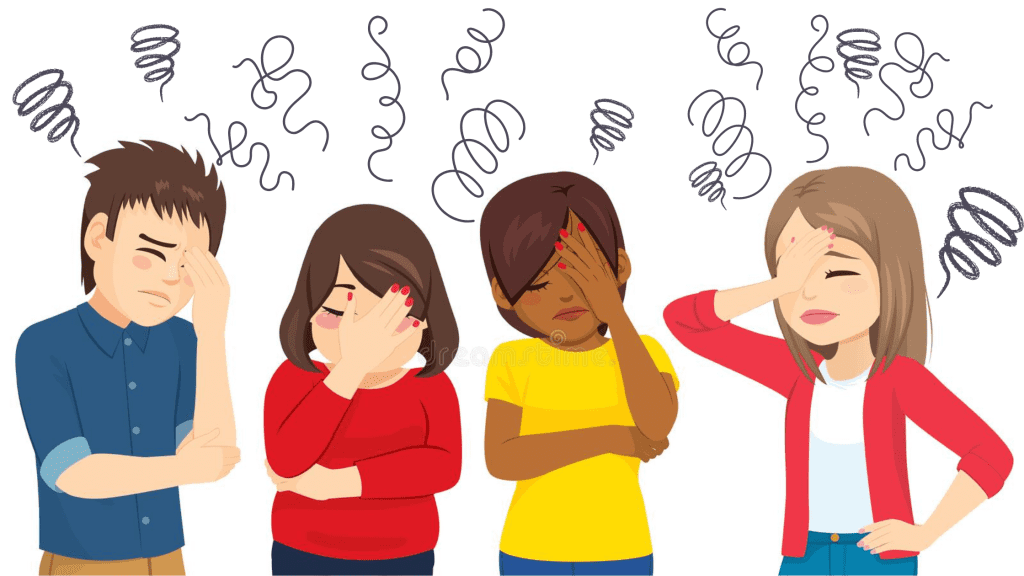
Have you ever wondered why someone did something that you felt was obviously stupid or wrong, and wondered what was that person thinking? It’s hard to imagine what motivates another person unless you know more about that person. People are complex creatures with very complicated brains that constantly add and process new experiences. Over time, brain content changes and becomes massive and unique, and most of what’s stored in the mysterious subconscious mind becomes invisible to other people. There’s no way to know what a person is feeling or imagining unless that person tells you. But sometimes the person can’t tell you, because he or she doesn’t truly know why they did what they did or said what they said. I call the many parts that influence an action, the “hidden context”. It’s a subject that mind scientists are just beginning to understand, and I think you’ll find what my research so far has revealed as interesting as I did.

What is the Mind’s “Hidden Context”?
For any subject you focus on or any decision you make, there are many automatic connections your mind makes to provide context—the many associations, memories, and connected experiences your mind brings together around that subject or decision. The context provides a setting for the decision or the subject. Everyone has a different context because of different personal experiences and different learning around that subject or focus.

For example, if you are thinking about buying a new car, you might remember the many experiences you’ve had driving or riding in different cars all the way back to your childhood. To other people, these automatic memories and associations will be hidden unless you talk about them. This is a normal brain process that often reminds you of what you like or don’t like about different cars. When you are talking to another person, in a personal or business relationship, you’re not aware of their brain activity and they are not aware of yours unless someone says something about what they remember or heard. Sometimes, these associations are not fully conscious thoughts or memories; they are subconscious influences that might be experienced only as feelings of liking or disliking something, but maybe you’re not sure why.
How Does Your Brain React to Unclear Associations?
It is important to realize that your brain is not a recording device like a camera. Your mind often looks for ways to more completely define any unclear parts. It can do this by imagining what could or should be true, if you can’t remember some details. In other words, your brain manages your memory construction to fit expectations. John Douglas, of the legendary FBI profiling unit, has often trained juries and judges on how and why so-called, “eye-witnesses” can be very wrong in what they believe they saw or heard. Sometimes, what psychologists call societal norms, influence a person to interpret what happened.

Dan’s Net Take-Away
Having generally indicated the range of possible goals and motivations people might have, due to the specific influences of their unique hidden context, please consider making two rules for your expectations:
Rule #1: Never assume you know what another person really wants, or is trying to accomplish, in any business or personal relationship. People are just not all that predictable.
In any meeting, know what you want to accomplish, then listen and observe what the other people say and offer.
If it’s an important first meeting, such as the presentation of a product or work you hope to sell them, always try to learn in advance what the key decisions makers are looking for or want. I now remember many times my ad agency, Young & Rubicam, we just assumed new prospects wanted “great advertising”, however that might be defined, and focused on selling our creative credentials—what impressed us more than them usually.


Rule #2: Never assume you are free from biases and are totally objective and balanced in your thinking—balanced and fair emotionally and logically. People are always biased to some extent.
Do you feel you are really, sufficiently “self-aware” and know when you are likely to be biased? If you’re not in the habit of doing meditation and honest self-criticism, don’t assume you’re without bias. Consider getting other people’s honest appraisals of your objectivity. Don’t be afraid to self-examine your own thinking, if you want to listen objectively to other people’s motivations.
I realize now one of my biggest shortcomings in my first marriage was not listening to my two children. I was following my dad, who didn’t believe that children had important information to share. If he said, “Let’s talk,” he meant he would do the talking and I, the child, would do the listening. That didn’t work for me, but I didn’t realize I was making exactly the same mistake when I became a father. You have to be able to honestly see your own biases.