
How Can You Prove What You Say is True?


There are often times when we try to persuade others of something and we struggle to find a way to “prove” we are right. Sometimes these disagreements are very important and we keep trying to find a way to convince someone of our point of view. I’ve found that I, and people I know, tend to use one or more of the following five types of proof:
Quoting an accepted “authority”.
Claiming “eye-witness” evidence exists.
Claiming “hard evidence” has been found.
Claiming there is “scientific proof”.
Using math or logic.
What we don’t realize is that there are limits to any one of these five methods can be correctly used. It occurred to me that if we knew a little more about the limits of each type of proof, we might make a better choice of our options, or just wait until we could find the kind of proof we want. This post is about some of the limits of each type of proof. I hope you find it useful when deciding how you want to present your opinion or conclusions about something important.
Limits of Quoting Accepted Authorities
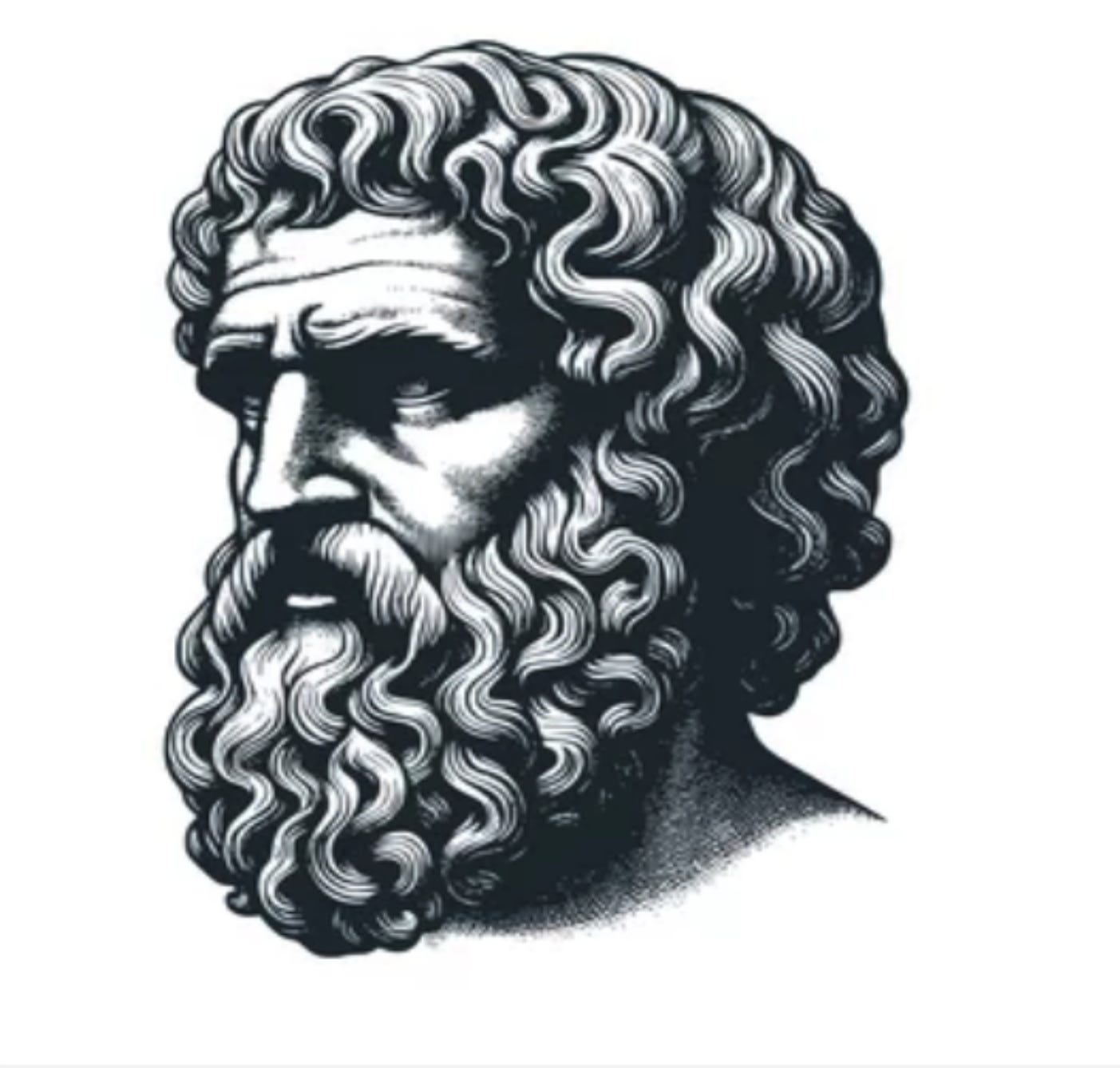
In college, I was taught the weakest argument in a debate is the argument from authority, and I think you can see why a lot of people agree with that generalization.
An argument from authority often relies upon the credibility of a source rather than the strength of the evidence or reasoning presented. While appealing to authority can be a legitimate and even necessary way to acquire knowledge, it is inherently weak because the truth of a claim should ultimately be determined by its own merit, not by who is making the claim. When you consider the human error possible in that authority, such as bias, or lack of relevant information, the authority is seen to be vulnerable to error.
When an organization is quoted as an authority, however, the reputation of that organization as a source of reliable information is a different kind of authority. All things considered, quoting an authority begs the question of the authority’s reputation, particularly among the intended audience.
Limits of “Eye-witness” Proof
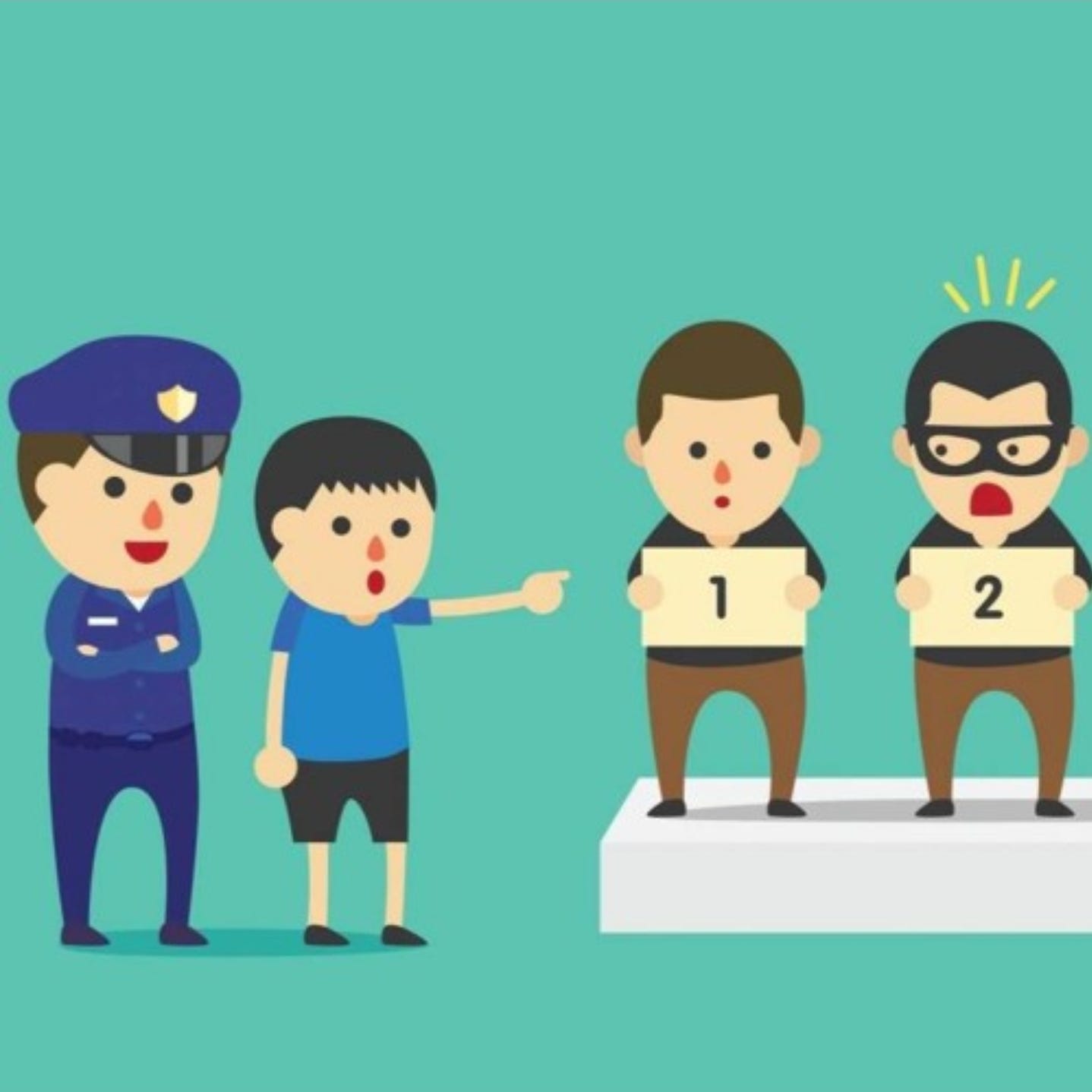
The credibility of eye-witness testimony in court trials began to sharpely erode in the late 20th century, when psychologists began to educate courts and juries on how the human mind records experience; in brief, people are not movie cameras or tape recorders, they record experience through their personal filter of evaluations and impressions which can have influences form their individual experience. According to John Douglas, the noted F.B.I. profiler, he was often called upon to provide this kind of education to courts and juries during his career. The Neuroscientist David Eagleman teaches a course on this subject using a staged interruption of his class by an individual pretending to argue with Dr. Eagleman in front of the class and then rushing out. Afterward, Dr. Eagleman asks his student simple questions such as, what was the intruder wearing? What did he say? And other simple questions. The class always offers surprisingly different opinions demonstrating the unreliability of eye-witness recall.
Limits of Claiming “Hard Evidence Exists”

As you know, evidence offered in court is subject to several limitations to ensure fairness, accuracy, and efficiency in legal proceedings. These limitations include relevance, materiality, and the exclusion of certain types of evidence like hearsay or unfairly prejudicial information. Evidence offered in a scientific inquiry is likewise scrutinized many ways to confirm its value. Evidence can also be tested now with many advanced tools. In science, testing can also involve peer review, replication, and error rate analysis. In legal settings, evidence must be deemed relevant, material, and competent, often evaluated through the Daubert or Frye standards to assess its reliability and admissibility in court.
Limits of Claiming There is “Scientific Proof”
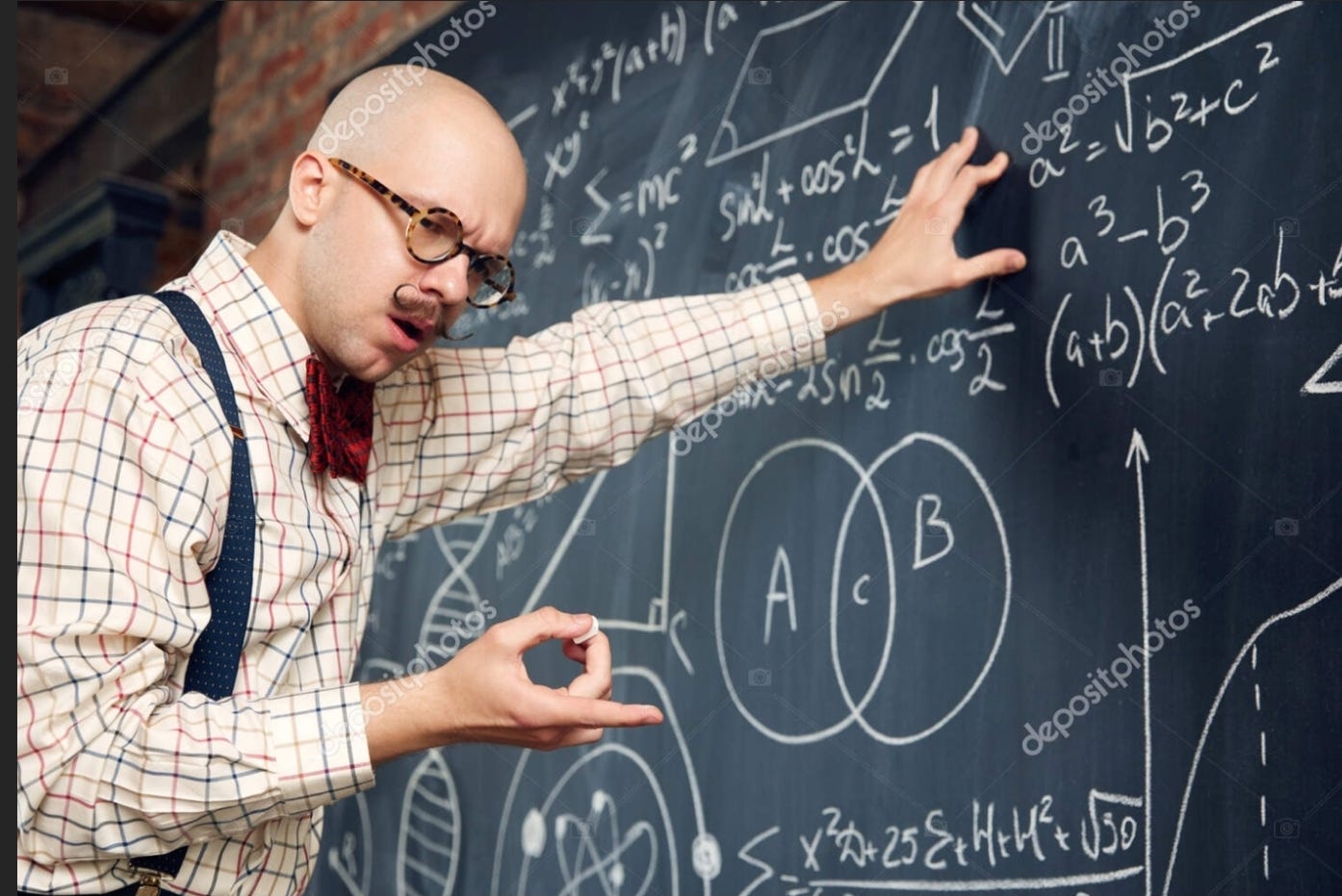
Science, I believe, is one of the most misunderstood activities on the planet. For example, many people think a scientific theory means a guess or a hypothesis. In science, a “scientific theory” is actually the most advanced conclusion to date based on all available evidence. The Theory of Relativity is a well-supported and fully established set of conclusions, based on all the available evidence to date. It is also assumed that these conclusions can be modified if new evidence justifies those changes. The potential for continuous change in scientific theories therefore is endless.
Another interesting and not well understood definition of a scientific hypothesis is that it must be “falsifiable” according to Karl Popper. According to Popper, evidence cannot establish a scientific hypothesis, it can only “falsify” it. A scientific hypothesis is therefore a falsifiable conjecture or guess. I would recommend that anyone untrained in scientific theory and practice not attempt to use or even discuss scientific theories. Find a scientist to provide scientific evidence correctly.
Limits of Using Math or Logic
I think my biggest surprise in researching different methods used to prove validity came when I looked into how mathematics and logic were used to prove something was true. I found that neither math nor logic are fool-proof tools to establish validity. Briefly, both math and logic are considered closed systems. Both begin by establishing basic claims, generally accepted as true, and then build upon those claims to establish more findings. These starting claims are accepted because they seem consistent with our experience, they are not accepted simply on blind faith. The problem is the foundation claims can’t be proven using the same closed system. I will return to this point in a moment.
Mathematics begins with basic clams called axioms. An axiom is the fundamental claim assumed to be true. These axioms, along with logical deduction, form theorems. An example of a theorem is, "all radii of a circle are equal". Theorems can be proven using mathematical logic. Axioms and established theorems are accepted as the platform for all mathematical proofs.
Logic follows a similar path to verify true statements. If the starting points are true and valid logical rules are applied, the conclusion will also be accepted as true. But like math, logic has limitations. In essence, logic offers a framework for sound reasoning, allowing for the building of established truths and avoiding flawed arguments. However, it must be combined with reliable ways of establishing initial truths, like observation and evidence, to effectively lead to a better understanding of reality
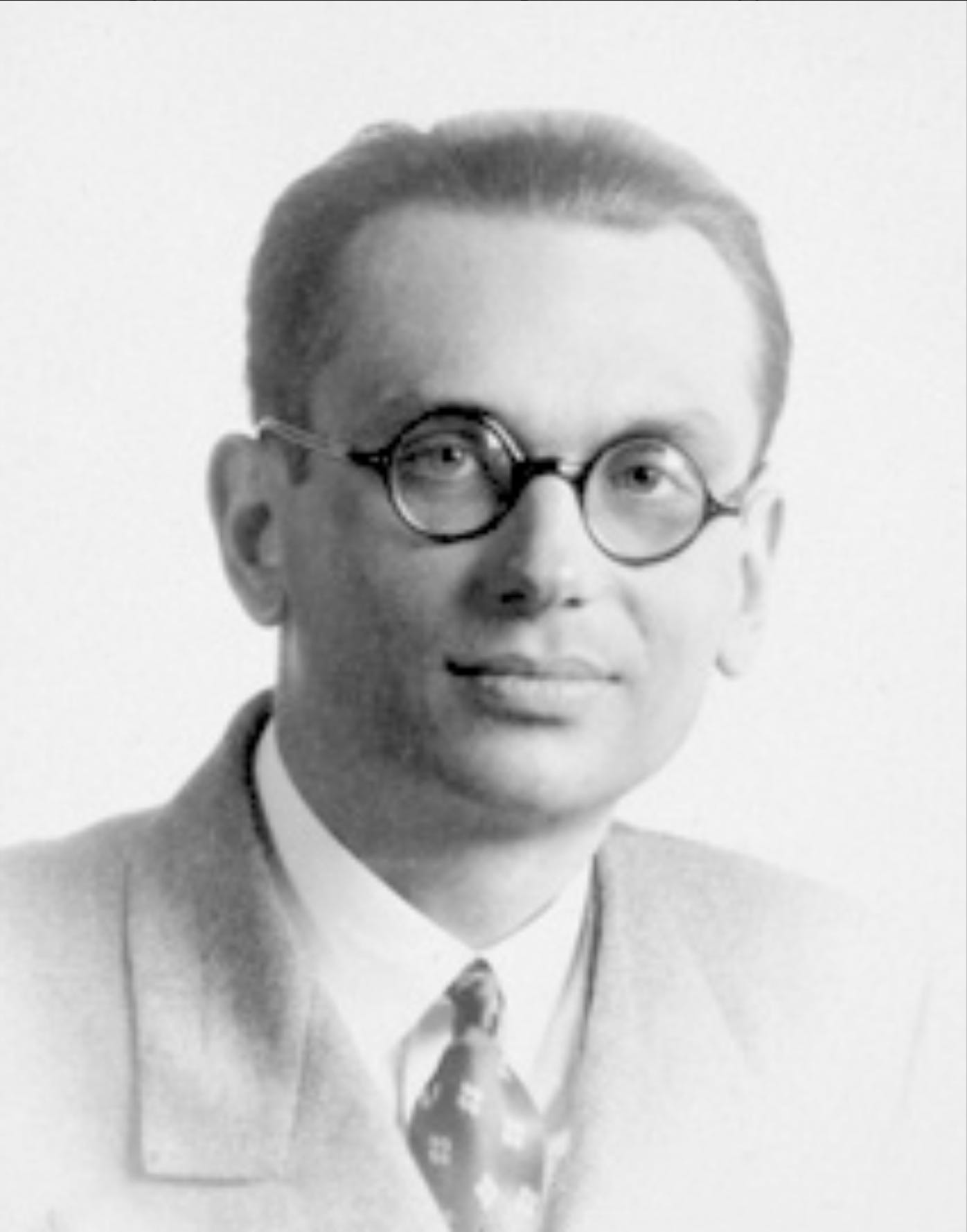
In 1931, a famous intellectual named Kurt Godel, established mathematical models called Godel’s Theorems, that showed there are fundamental limitations with these closed systems. One limitation was that some true statements cannot be proven in these systems.
Dan’s Net Take-Away
I think the first question you should ask, when trying to select a type of proof to offer, is who is in your intended audience and what do they already believe? The human mind is primarily an emotionally-directed mind, and neuroscientists have recently discovered just how complex and embedded beliefs can be. The human brain doesn't "determine" belief in a simple, singular way; instead, believing anything, whether its religious or scientific, involves an amazing connection of multiple brain functions. Scientists still have a lot to learn about how our brain works. So, don’t assume that any kind of proof you might have will automatically change or modify those established brain habits, or beliefs. My advice is to simply present your side and be patient. Let their brain digest and integrate your proof. Sometimes it requires time to modify their thinking.
The second question you should ask about your intended audience is about their education; do you think they have the same understanding of “science” as you? I still find it hard to believe what religious-based universities say about Darwin’s Theory of Evolution, or what the Bible tells us God wants. You have to be strong and brave to present alternative ideas to them. Don’t expect other people to know what you know.
I encourage you to think, and make the best use you can, of any of these five types of proof. But be patient, persistent, and maintain a positive attitude. That’s the only way you will be able to influence those who believe in conspiracy theories or cult-like ideas. But it’s worth the effort because, in my opinion, all people are worth caring about.